
Sheffield homes
Conservatory too hot in summer: what helps
Send a short description of the problem to find out what the heat means for your home. A specialist fitter will reply with options and costs, and asking changes nothing about your plans.
Why glass and polycarbonate let the heat in
A conservatory too hot in summer usually has a roof that lets sunlight pass straight through. Older polycarbonate sheets and single-pane glass offer almost no resistance to solar gain. The sun warms the air inside faster than it can escape, so the room traps heat all afternoon.
This polycarbonate roof heat problem happens across Sheffield, from homes in Fulwood to terraces in Handsworth. Even on a cloudy day, enough ultraviolet light passes through thin roofing to raise the temperature several degrees above the rest of the house. The space becomes difficult to sit in, and furniture left underneath fades quickly.
People looking for conservatory overheating solutions often start by hanging blinds or buying a fan. Shade options for a conservatory roof like these slow the warming slightly, but they do not stop the energy entering the room. Blinds absorb the heat themselves and radiate it back down. Fans move warm air around without cooling it. So the room stays uncomfortable until the sun drops behind the hills.
What an insulated or tiled roof changes
Replacing the glazing with an insulated structure stops solar gain at the surface. A tiled roof cooler conservatory works because solid materials reflect most of the sun's energy before it enters the room. The difference between morning and midday temperatures shrinks dramatically.
Specialist fitters build these roofs using layers of insulation board beneath tiles or lightweight composite panels. The result is a ceiling that behaves like the rest of the house rather than a greenhouse. Heat still enters through the side windows, but the main source of the problem is gone.
Some homeowners worry that losing the glass means losing daylight. Modern designs allow for roof windows or small glazed sections set into the solid structure. You keep the sky visible where you want it, while the majority of the roof blocks the warmth. Read more about choosing between [tiled or glass](/deciding/tiles-or-glass) if you are weighing up how much light matters against how much heat you need to lose.
Glare, noise and the wider benefits
Blocking direct sunlight does more than lower the thermometer. It removes the bright patches that wash out television screens and make reading difficult. If you want to reduce glare in a conservatory, a solid roof handles it permanently, whereas tinted films degrade over time.
A new roof also changes how rain sounds. Polycarbonate drums loudly during Sheffield showers. Insulated panels deaden that noise so the room stays quiet. And because the structure holds warmth in winter as well as keeping it out in summer, the same work solves the opposite problem when January arrives. The details of [conservatory roof insulation in Sheffield](/roof-work/conservatory-roof-insulation-sheffield) cover both seasons.
Fitters who carry out this work handle the plastering underneath too, leaving a finished ceiling that matches the adjoining room. They check whether the existing frame can support the extra weight and advise on building regulations before starting. Homeowners in areas like Broomhall, Woodhouse and Gleadless Valley have had older frames assessed and upgraded in a single visit.
Signs your conservatory roof is letting in too much heat
Solar gain turns a glazed room into a trap for warm air. The signs show up on surfaces, in the air and on anything left under the roof for long.
- 1
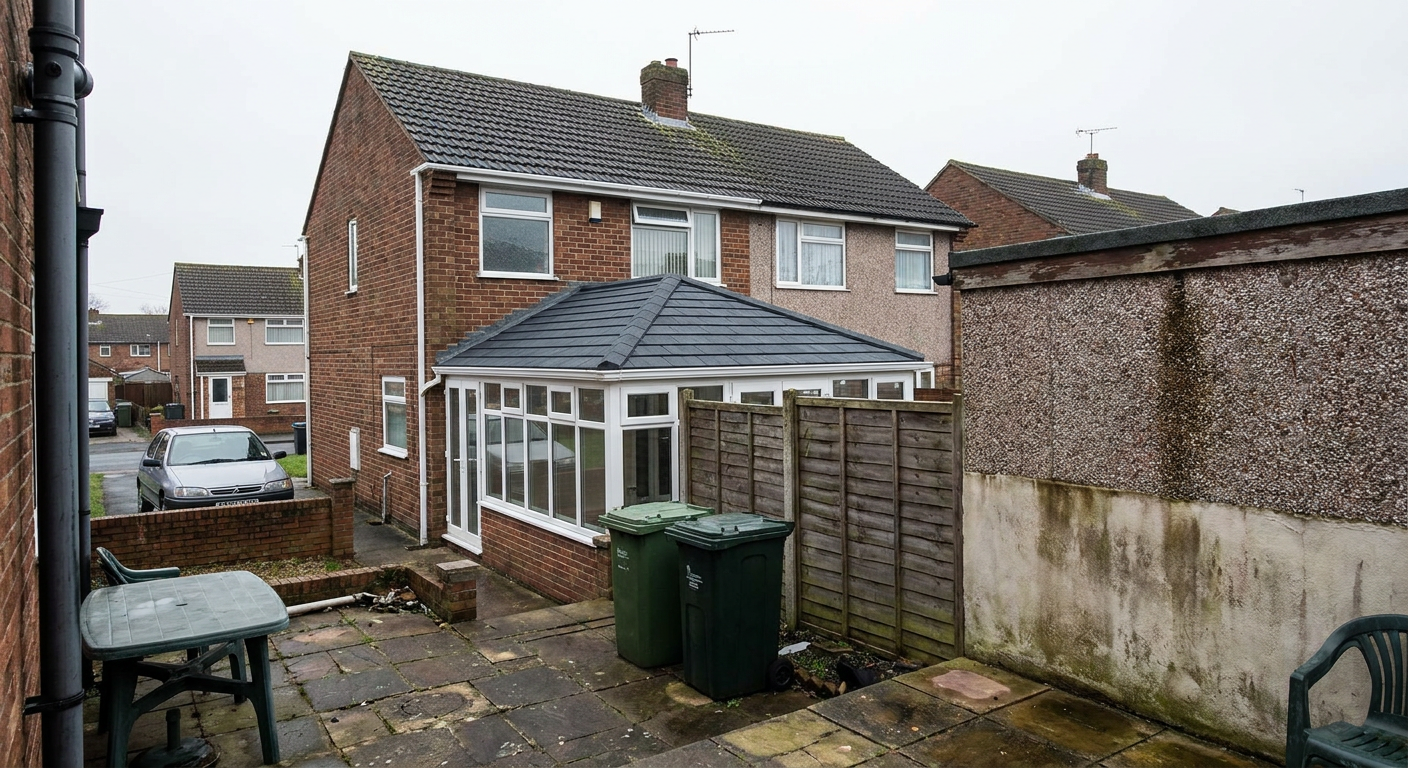
Faded furniture and flooring
Upholstery and wooden floors bleach unevenly where sunlight hits them directly through the roof panels.
- 2
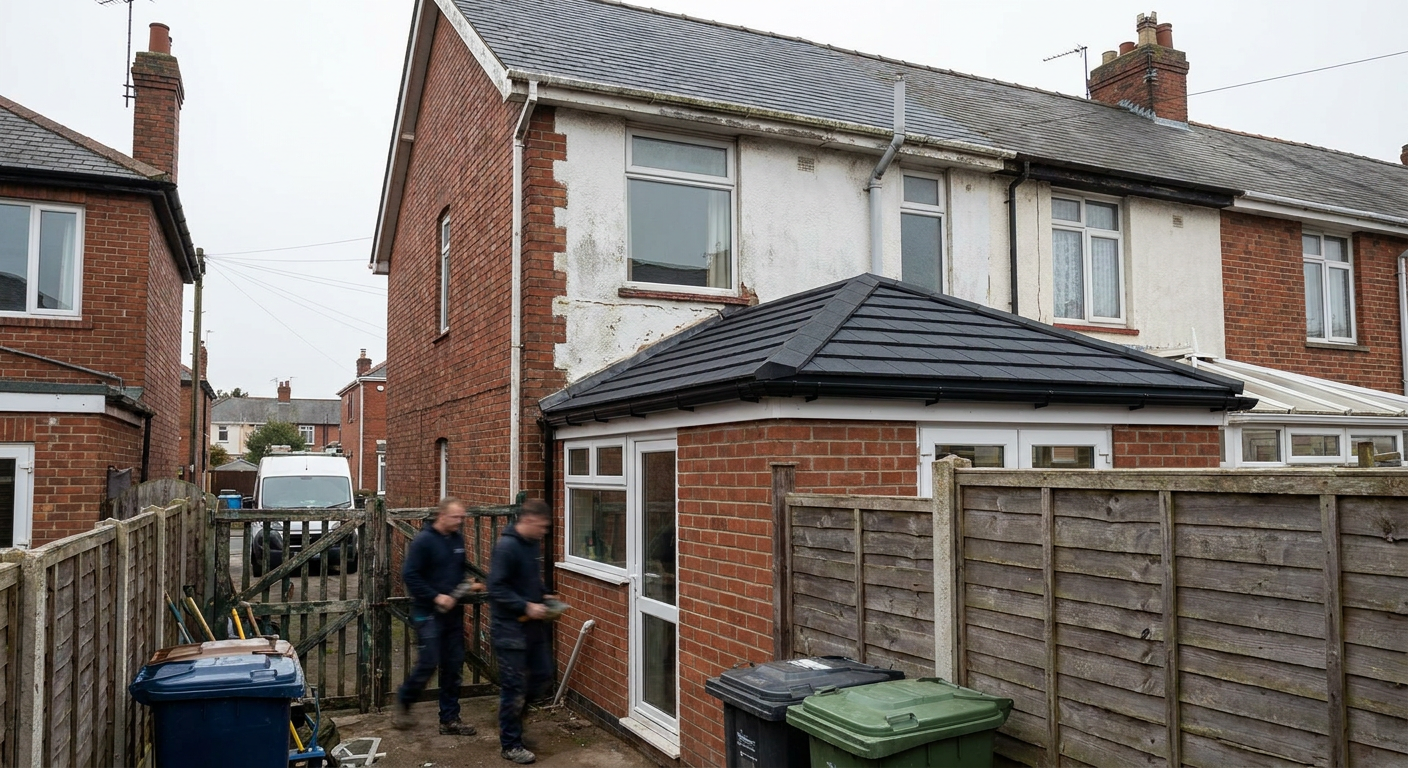
Condensation drying fast
Morning moisture vanishes within an hour as the trapped air heats up, leaving dry streaks on the glass.
- 3
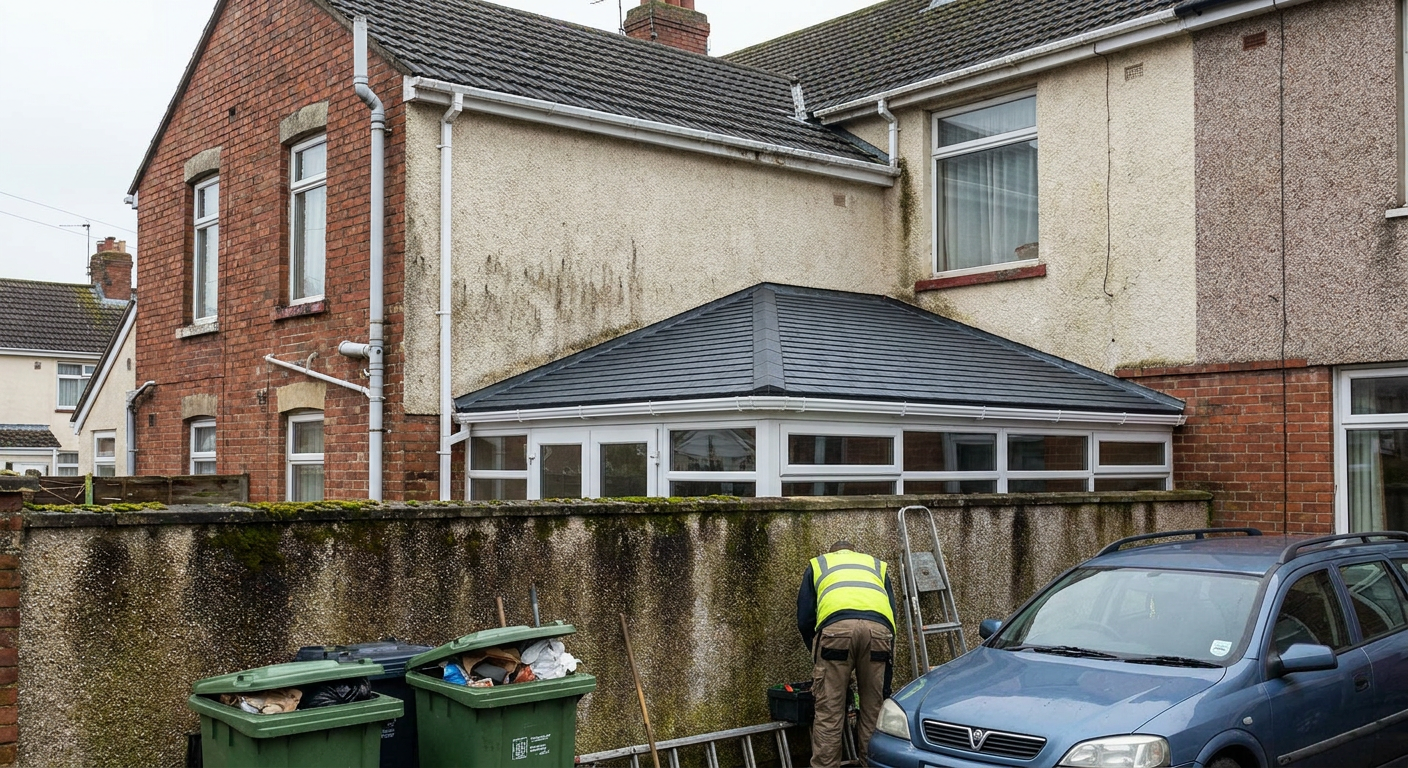
Unbearable midday air
The room feels noticeably hotter than the hallway by early afternoon, even with doors open.
- 4
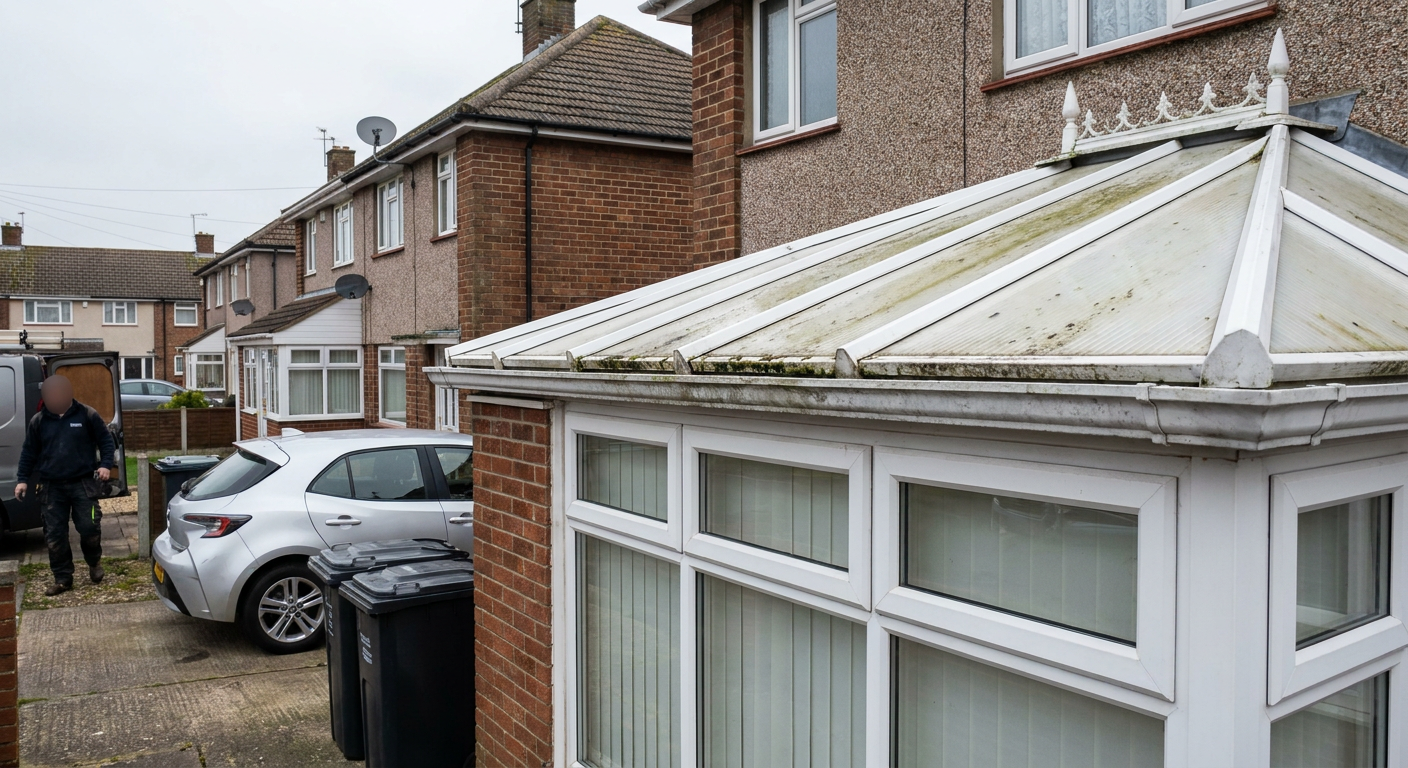
Yellowing polycarbonate
Older plastic sheets turn brittle and discoloured, letting in more light than they were designed to.
Questions about fixing a hot conservatory in Sheffield
These come up often when people look into changing their roof to manage the heat.
- Will blinds be enough?
- Blinds shade the floor but absorb heat themselves. Changing the roof stops the warmth entering in the first place.
- Does a tiled roof darken the room?
- A solid roof reduces overhead brightness. Fitters can add roof windows to keep natural light where you need it.
- How much does temperature drop?
- An insulated roof flattens the daily swing. Midday peaks fall closer to the rest of the house.
- Is solar control glass worth it?
- Treated glass helps, but a solid roof blocks more heat. Compare the two approaches before deciding.
- When should the work happen?
- Fitters work year-round. Spring and autumn avoid the hottest weeks, making the installation more comfortable.
- Will it fix screen glare too?
- Yes. Removing direct overhead light stops reflections washing out televisions and computer monitors.
Find out what will cool your conservatory down
Leave a few details about the room and the problem. A specialist fitter will review them and suggest what might work, without any obligation to book.
- No booking required
- Free to ask
- Local fitters reply