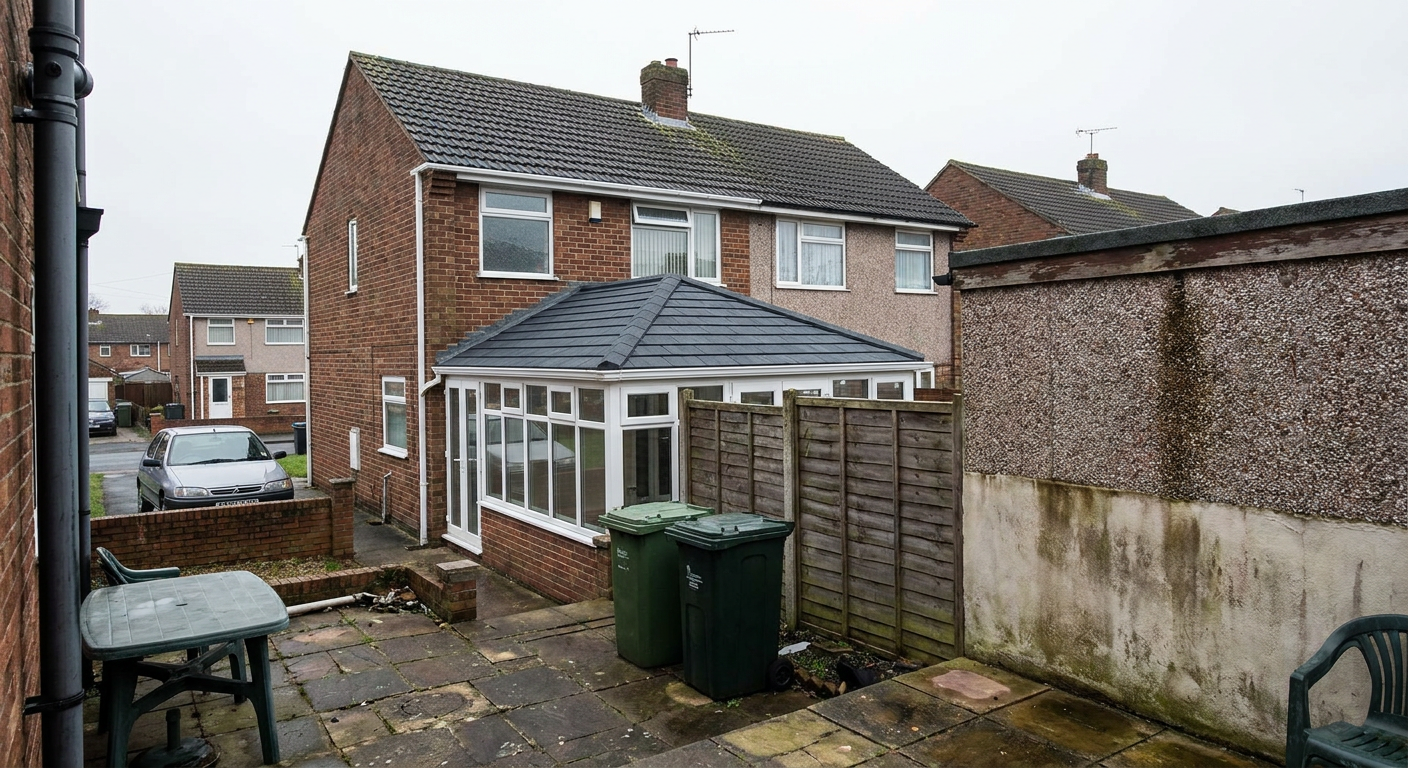
Sheffield homes
Conservatory too cold in winter in Sheffield
Describe what is happening in your conservatory and a specialist firm will look at the details. There is no charge for this, and nothing to commit to until you decide.
Why the room stays freezing while the house is warm
A conservatory too cold in winter usually comes down to the roof. The rest of your home has insulated walls, loft space and double glazing that hold heat inside. The conservatory sits outside that envelope, often under polycarbonate sheets or single glazed panels that let warmth straight out.
Sheffield winters are long enough to make this obvious by November. You turn up the thermostat in the hallway and the living room responds, but the conservatory stays freezing. That happens because the heating system was never designed to fight a room that loses heat faster than it can produce it. Heating a cold conservatory with a portable electric heater burns through electricity while the temperature barely moves.
If you are looking for a cold conservatory Sheffield fix, the answer starts above your head. A specialist fitter will measure how much heat escapes through the existing roof structure. Polycarbonate offers almost no thermal resistance, so the energy you pay for leaves within minutes. Stopping that loss is the first step toward making the room usable again.
How much heat escapes through a polycarbonate roof
Polycarbonate sheets were cheap and light when fitted, but they have very little insulating value. On a cold night in Sheffield, most of the warmth generated inside a conservatory passes straight through them. The exact amount depends on the thickness and age of the sheets, but the difference between polycarbonate and an insulated alternative is always large.
People who want to know how to insulate a conservatory roof often start by looking at adding material underneath the existing panels. That can reduce draughts slightly, but it does not change the fundamental problem: the outer layer still conducts heat away. To stop heat loss from a conservatory roof properly, the structure itself needs to change.
A specialist firm will calculate the thermal performance of your current setup before suggesting anything. They use those numbers to show what a replacement would actually achieve rather than guessing. The goal is to bring the roof closer to the standard of the main house, so the room stops acting like a wind tunnel attached to your kitchen.
What changes when you fit a warm roof
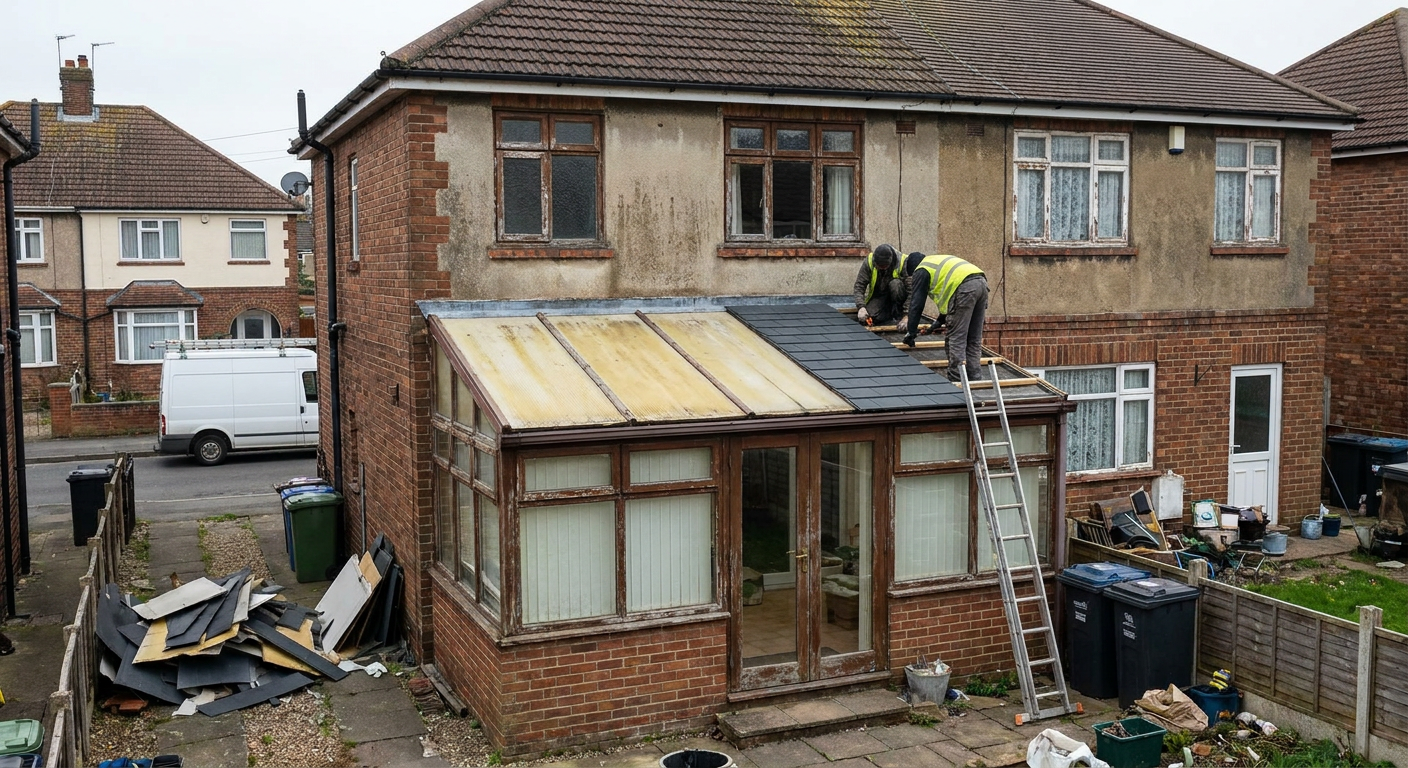
Fitting a warm roof instead of polycarbonate means replacing the old panels with a solid, insulated structure. The specialist builds up layers of rigid insulation board, a waterproof membrane and a tiled or lightweight outer finish. From the inside, the ceiling looks and feels like any other room in your home.
The question people ask most is whether a warm roof means they can use the room in January. Insulation slows the escape of heat, so the space holds onto whatever warmth enters it. If the conservatory connects to a heated part of the house, that warmth now lingers rather than vanishing. Many homeowners in areas like Handsworth and Woodhouse find the room becomes comfortable year-round after the conversion.
A warm roof also cuts the noise of heavy rain hitting plastic sheets, which matters during Sheffield storms. The specialist handles the structural checks to confirm the existing frames can support the new weight. Details on building regulations for a conservatory roof change explain what permissions apply.
Whether you need extra heating as well
Replacing the roof removes the biggest source of heat loss, but it does not turn the conservatory into a boiler room. Whether you still need a radiator or an electric heater depends on how the space connects to the rest of your home. If wide doors separate it from a heated hallway, warmth will drift in naturally once the roof stops pulling it out.
In some cases, a small radiator is enough to take the edge off during the coldest weeks. A specialist fitter will assess the volume of the room and the insulation values of the new roof to advise on this. They might suggest extending your existing central heating loop if the pipework runs nearby, or they might recommend a low-wattage electric panel for occasional use.
The point is that any heating you add after a roof replacement works efficiently. Before the work, running a heater in a conservatory with a polycarbonate roof is like trying to fill a bucket with a hole in the bottom.
Insulation alone or new windows and doors too
Deciding whether to insulate the roof or replace the windows and doors as well depends on where the remaining draughts come from. If the frames are original single glazing, or the seals around older double glazed units have failed, cold air will still find its way in even with a solid roof above.
A specialist will check the condition of every frame during their visit. They look for gaps where the glass meets the rubber gasket, warping in the uPVC, and condensation trapped between panes. If the glazing is sound, a roof replacement on its own makes a large difference. If the frames are letting air through, doing both jobs together avoids paying for two separate visits.
Newer double or triple glazed units also improve security and reduce outside noise. For homes near busy roads in Broomhall or Gleadless Valley, that secondary benefit matters. The decision rests on what the inspection reveals, not on a fixed rule.
How long the work takes and living through it
Most conservatory roof replacements in Sheffield take between three and five days, depending on the size of the structure and the weather. The specialist strips the old panels, fits the new framework and insulation, tiles the outside and plasters the ceiling inside. Each stage follows the last without long gaps.
You can still use the rest of your home throughout the process. The fitters work from the outside and only enter the conservatory itself. They lay dust sheets over the floor and seal the internal doors to keep plaster dust out of your hallway and kitchen. At the end of each day, the site is left tidy.
If ceiling plastering is part of the job, that section needs time to dry before painting. The specialist will tell you how many days to leave it. Planning the work around your routine is something they do regularly, so school runs and working from home do not have to stop.
What to ask when a specialist visits your home
When someone comes to look at your conservatory, the conversation should cover more than just price. Ask them to explain how they will fix the specific problems you notice, whether that is water dripping down the inside of the frames or a persistent chill near the floor. A good visit involves measuring the existing structure and checking the foundations.
Ask about the materials they intend to use. Lightweight tiles behave differently from concrete ones, and the choice affects both the look and the load on your frames. Request clarity on building control approval and whether the specialist handles that paperwork or expects you to arrange it.
Find out what happens if they discover rotten timber or cracked brickwork once the old roof comes off. Unexpected problems are common in older Sheffield homes, and knowing how they are priced prevents arguments later. Finally, ask for a timeline that includes plaster drying and any follow-up visits needed to finish the ceiling paint or trim.
Signs your conservatory is losing all its heat
Cold air behaves predictably. It drops from the roof, pools at floor level and finds every gap in the frames. These signs show where the heat is going.
- 1
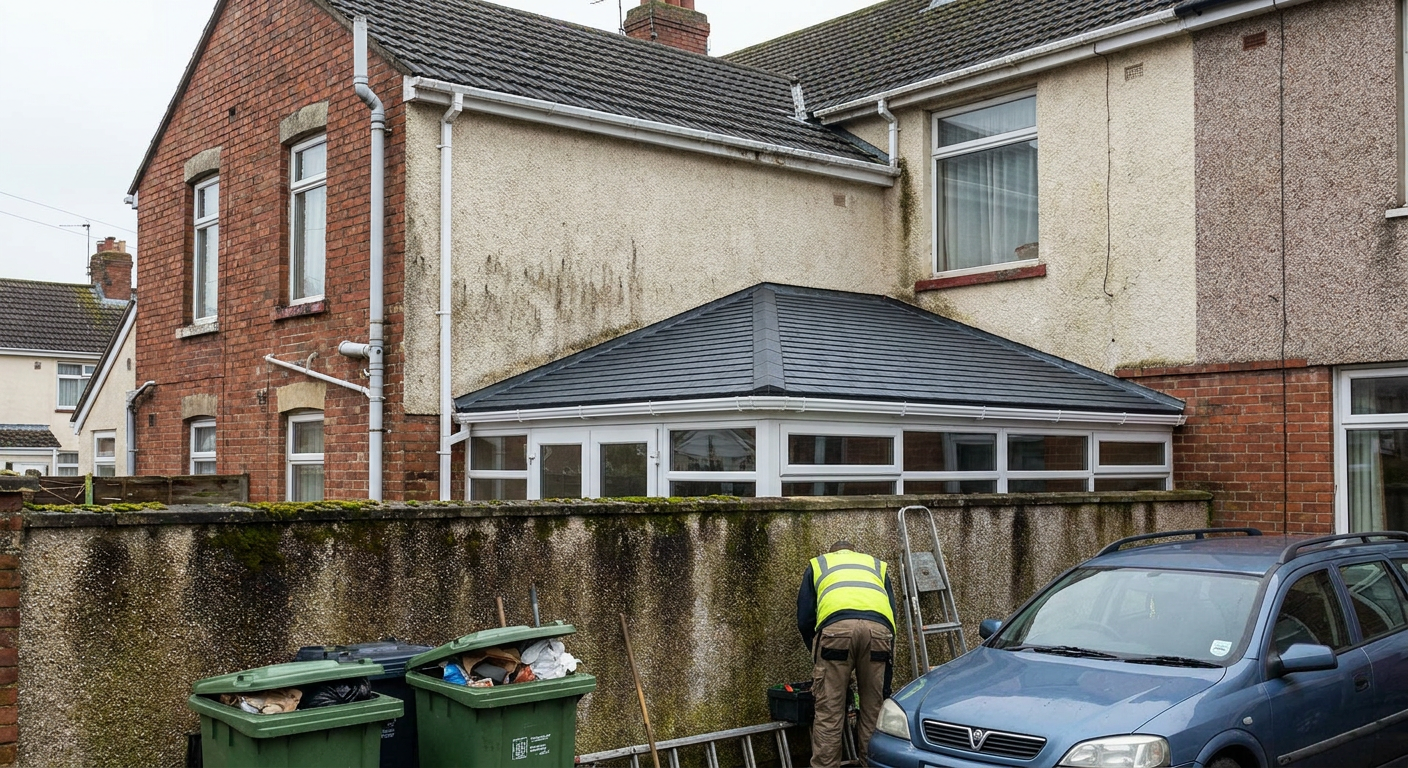
Water running down the inside
Moisture gathers on cold surfaces. If the inner panels stream with water on winter mornings, the surface temperature is far below the room air.
- 2
Floor stays cold despite heating
Warm air rises and escapes through the roof, leaving the floor chilled. Portable heaters run constantly without warming the tiles or laminate.
- 3
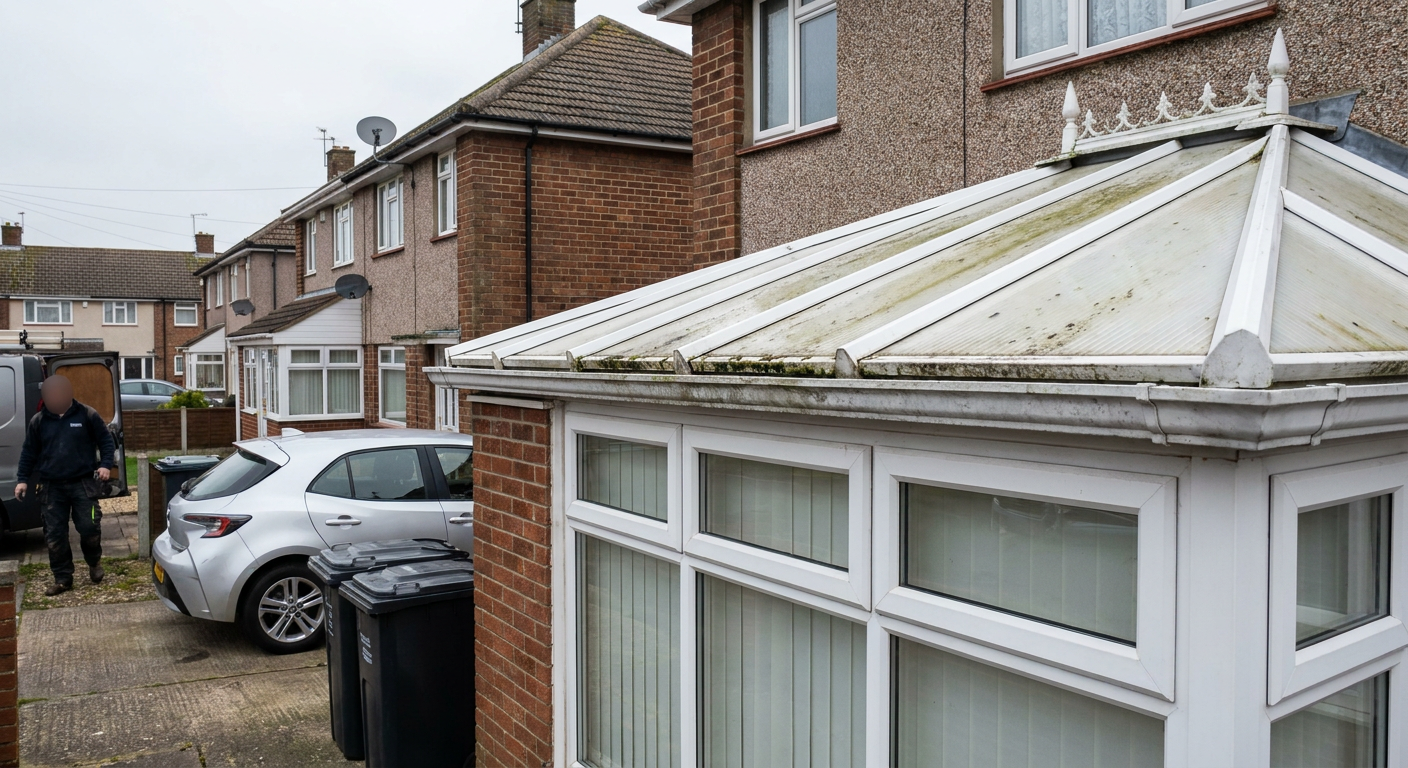
Draughts at the door seals
Feel along the edges where the conservatory meets the house. Cold air entering here suggests the seals or frames have deteriorated over time.
- 4
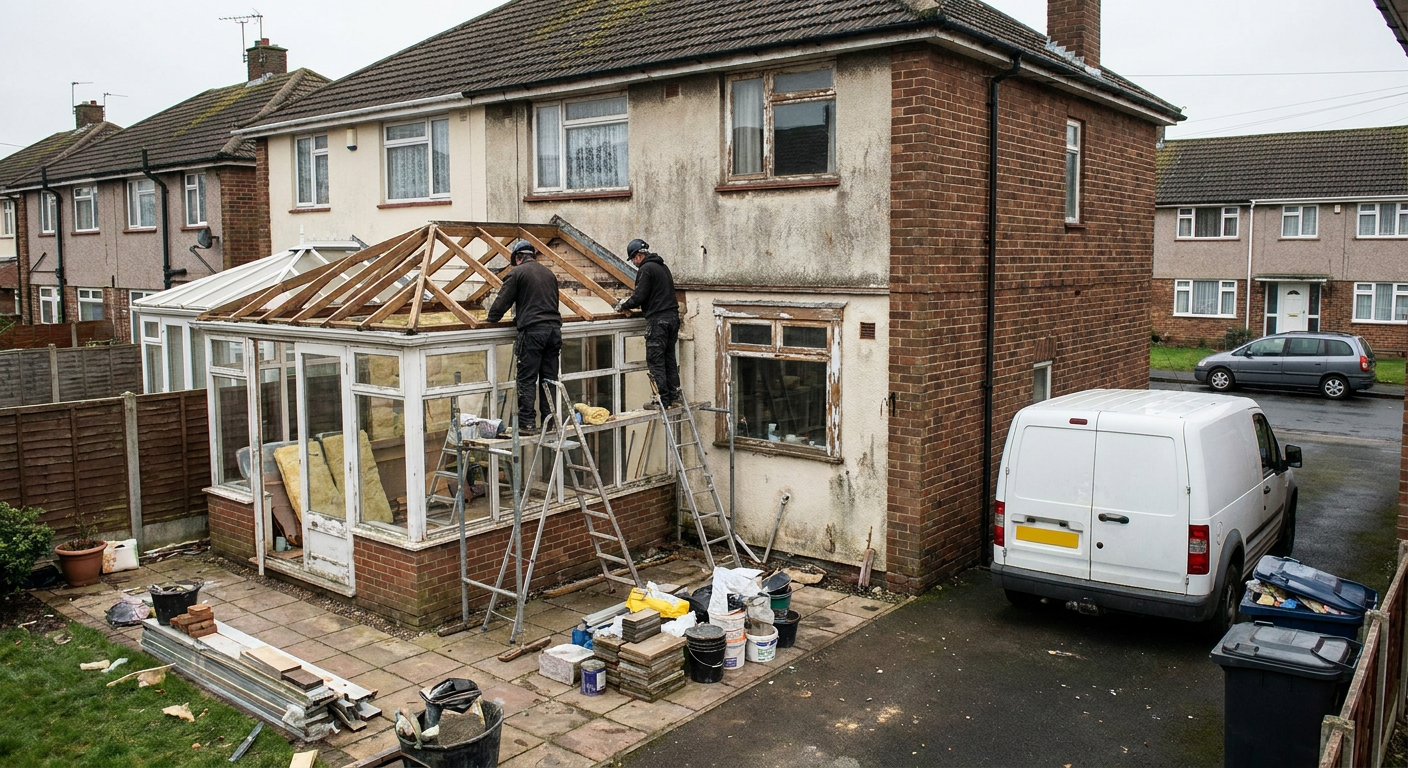
Loud drumming when it rains
Thin polycarbonate amplifies rainfall. This same lack of mass lets heat pass through rapidly, so noise and cold share one cause.
Questions about fixing a cold conservatory in Sheffield
These are the things homeowners across Sheffield ask before arranging a visit from a specialist firm.
- Will I still need a heater?
- A warm roof holds heat inside, so any radiator or electric panel you already have works far more efficiently than it did before.
- Should I replace the doors too?
- That depends on their condition. A specialist checks the seals and glazing to see if the doors are still letting cold air in.
- How long does the work take?
- Most roof replacements take three to five days. You keep full use of the rest of your home while the fitters work.
- Does a new roof stop draughts?
- It stops heat escaping upwards. Draughts around the side frames require separate attention to the windows, doors or sealing strips.
- What should I ask the fitter?
- Ask about the insulation materials, the tile weight, building control requirements and how they handle unexpected repairs once the old roof is off.
Ask a specialist to look at your conservatory
Send the details of your home and what you have noticed. A specialist firm will review the information and respond with what they suggest next. There is no obligation to proceed.
- No obligation
- Free to ask
- Local specialists