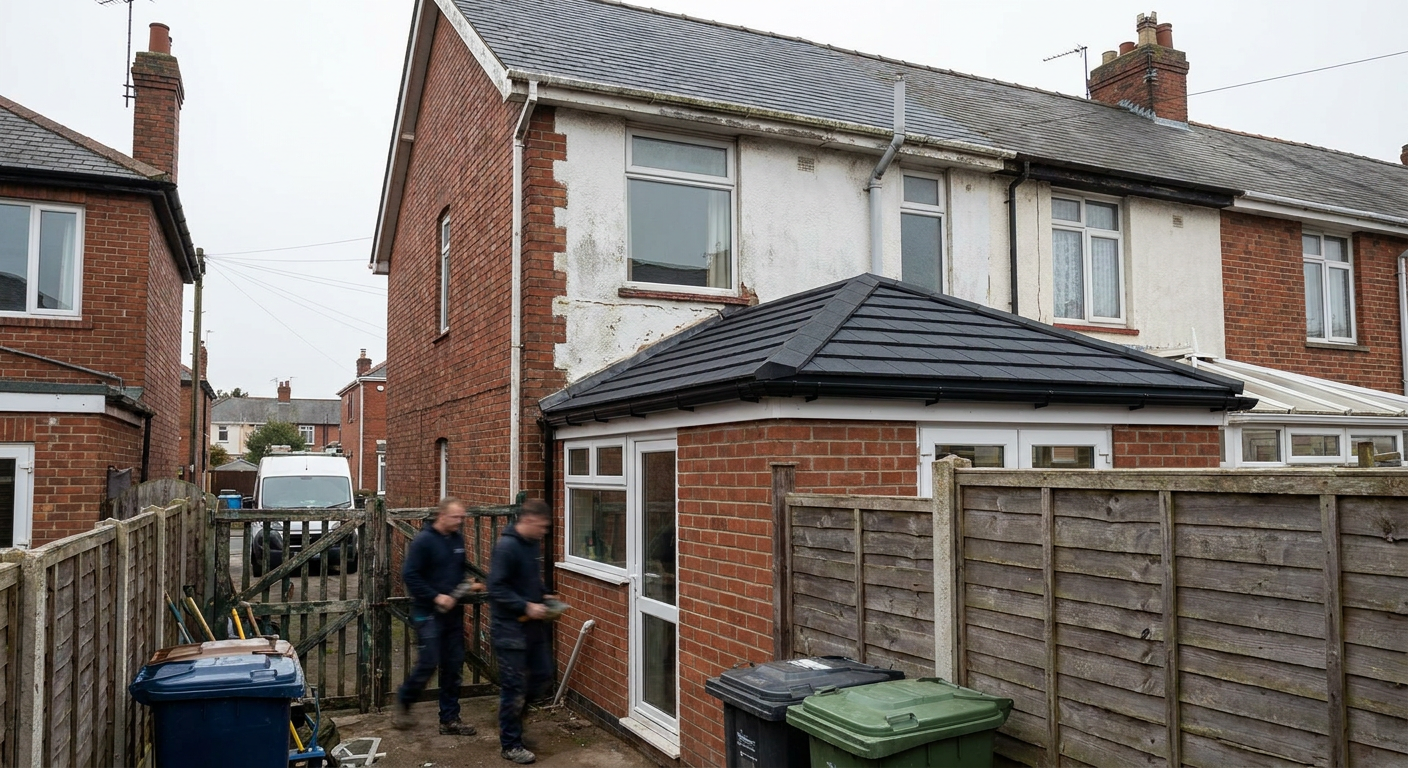
Sheffield homes
Conservatory roof condensation and rain noise
Describe what you see and hear on the panels. A specialist firm will assess the ventilation and vapour control needed before any work is agreed, and asking costs nothing.
Why water gathers on the inside of conservatory panels
Moisture forms when warm air from the house meets a cold surface. In Sheffield, where winter temperatures drop and heating runs for months, conservatory roof condensation is common under glass or polycarbonate. The panels cool quickly after dark, so moisture in the air turns to liquid on the underside.
Dripping conservatory roof panels usually point to poor airflow rather than a leak. Without a way for humid air to escape, it pools against the coldest part of the room. Condensation under polycarbonate roof sheets follows the same pattern. The multiwall structure traps cold air between the layers, making the inner skin colder than the room itself.
A specialist checks whether existing vents are blocked or absent. They measure humidity levels and look at how the room connects to the rest of the home. Sometimes the fix involves improving cross-ventilation. Other times the panels lack the thermal resistance to stay above the dew point, which means replacing them with a warmer build-up.
When misted units mean the seal has failed
Misted conservatory roof units happen when the edge seal around a double-glazed panel breaks down. Moisture enters the gap between the two sheets of glass and fogs the space permanently. You cannot wipe it away because it sits inside the sealed unit.
Whether the whole roof needs replacing depends on the frame condition and the age of the remaining panels. A specialist inspects each unit individually. If only one or two have failed and the frames are sound, individual replacements might work. But if several show signs of seal failure, patching becomes expensive and temporary.
In older roofs, finding matching replacement units can be difficult. The profiles change over time, and mixing new seals with old frames often leads to further failures within a few years. This is why many homeowners in Sheffield choose a full roof replacement rather than chasing individual faults. The cost difference narrows when labour is factored in twice.
Rain noise and the limits of thin roofing
Polycarbonate and single-glazed roofs amplify rainfall. Each drop strikes a thin, rigid surface that vibrates like a drum. For homes near the Peak District edges or exposed parts of Sheffield, heavy rain makes the room unusable.
Achieving quieter conservatory roof rain requires adding mass and decoupling the outer layer from the ceiling below. A solid tiled system does this using timber battens, insulation boards and plasterboard. Sound loses energy as it passes through each dense layer.
Homeowners sometimes ask about a soundproof conservatory roof using secondary glazing or acoustic films. These reduce noise slightly but cannot match the performance of a solid build-up. The physics are straightforward: heavier materials block more sound. A specialist explains the decibel reduction you can expect from different options so you can weigh noise reduction against light loss and cost.
What a specialist checks before rebuilding
Before agreeing to remove an old roof, a specialist surveys the existing structure. They check the load-bearing capacity of the window frames and brick piers. A tiled roof weighs significantly more than polycarbonate, so the supports must handle the extra load without deflecting.
They also examine the guttering and fascia. Rotting timber or sagging gutters need attention at the same time, since scaffolding or ladders are already in place. Ventilation paths come next. Building regulations require background ventilation in habitable rooms, and a warm roof changes how air moves through the space.
Vapour control is the final check. Warm moist air must not reach the cold side of the new insulation, or condensation will form inside the roof build-up rather than on the surface. A specialist specifies a vapour control layer and positions it correctly. Skipping this step causes hidden rot. Read more about what a [warm roof conversion](/roof-work/warm-roof-conversion-sheffield) involves before deciding.
Damp ceilings and damage to surrounding work
A conservatory damp ceiling in Sheffield homes often starts as condensation but ends as structural damage. Water running down the inside of panels pools on the window frames, soaking into timber or corroding aluminium joints over time.
Plasterwork suffers too. If the conservatory shares a wall with the main house, persistent moisture migrates into the adjoining plaster. Paint blisters, wallpaper peels and skirting boards swell. By the time these signs appear, the problem has been active for weeks.
A specialist traces the moisture path to confirm its origin. Not all damp comes from the roof. Rising damp, leaking pipes or failed external pointing can produce similar symptoms. Identifying the true source prevents wasted effort. Once confirmed, they advise whether [ceiling plastering](/roof-work/ceiling-plastering) repairs should happen alongside the roof work or wait until the room dries out fully.
Signs your conservatory roof is struggling
Water and noise rarely arrive alone. When the temperature drops or rain falls, the roof shows what it cannot handle. Look for these specific signs around the panels and frames.
- 1
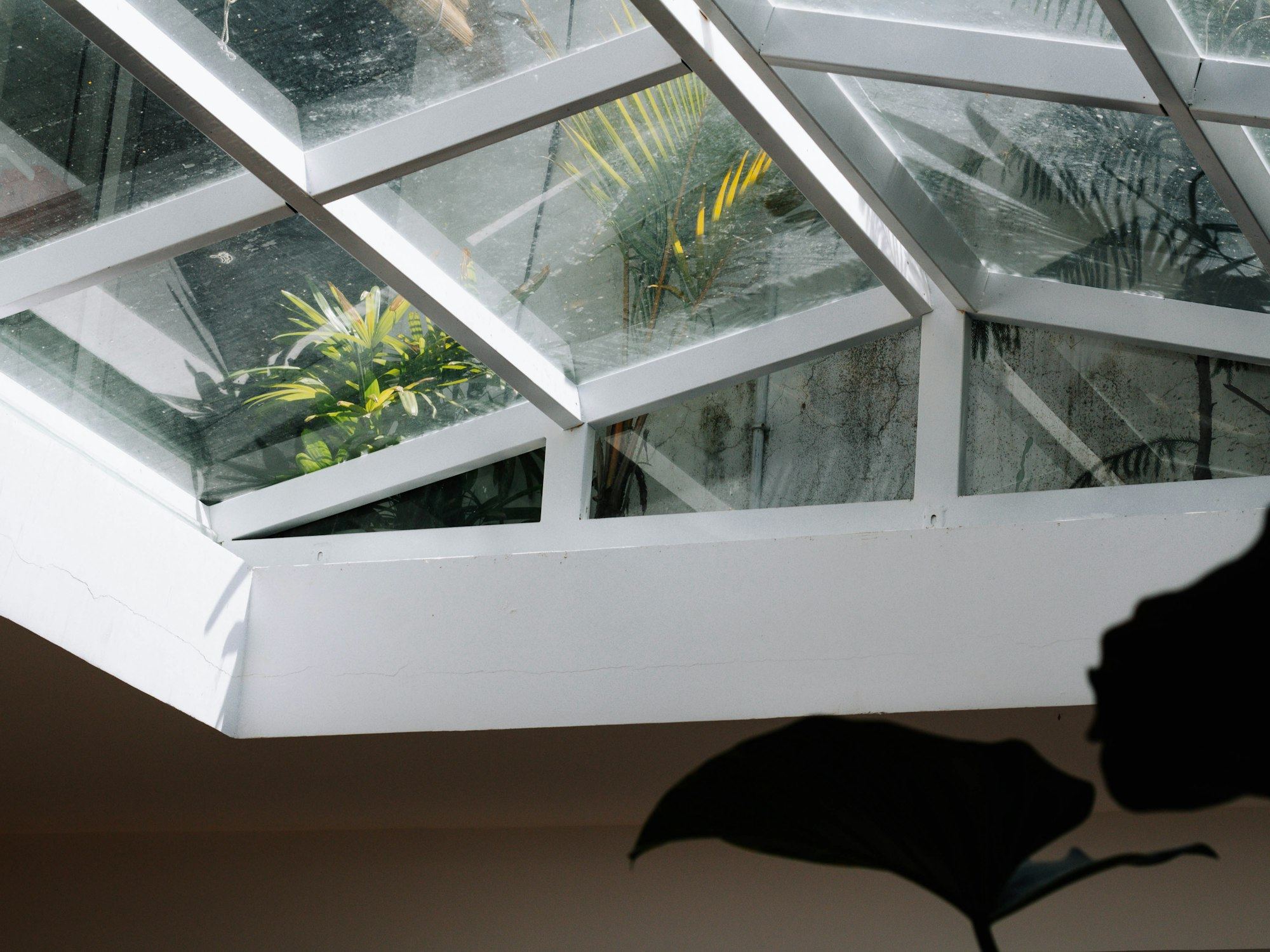
Water beads on the inside
Small droplets form along the lower edges of panels after dark. This suggests the inner surface is colder than the surrounding air.
- 2
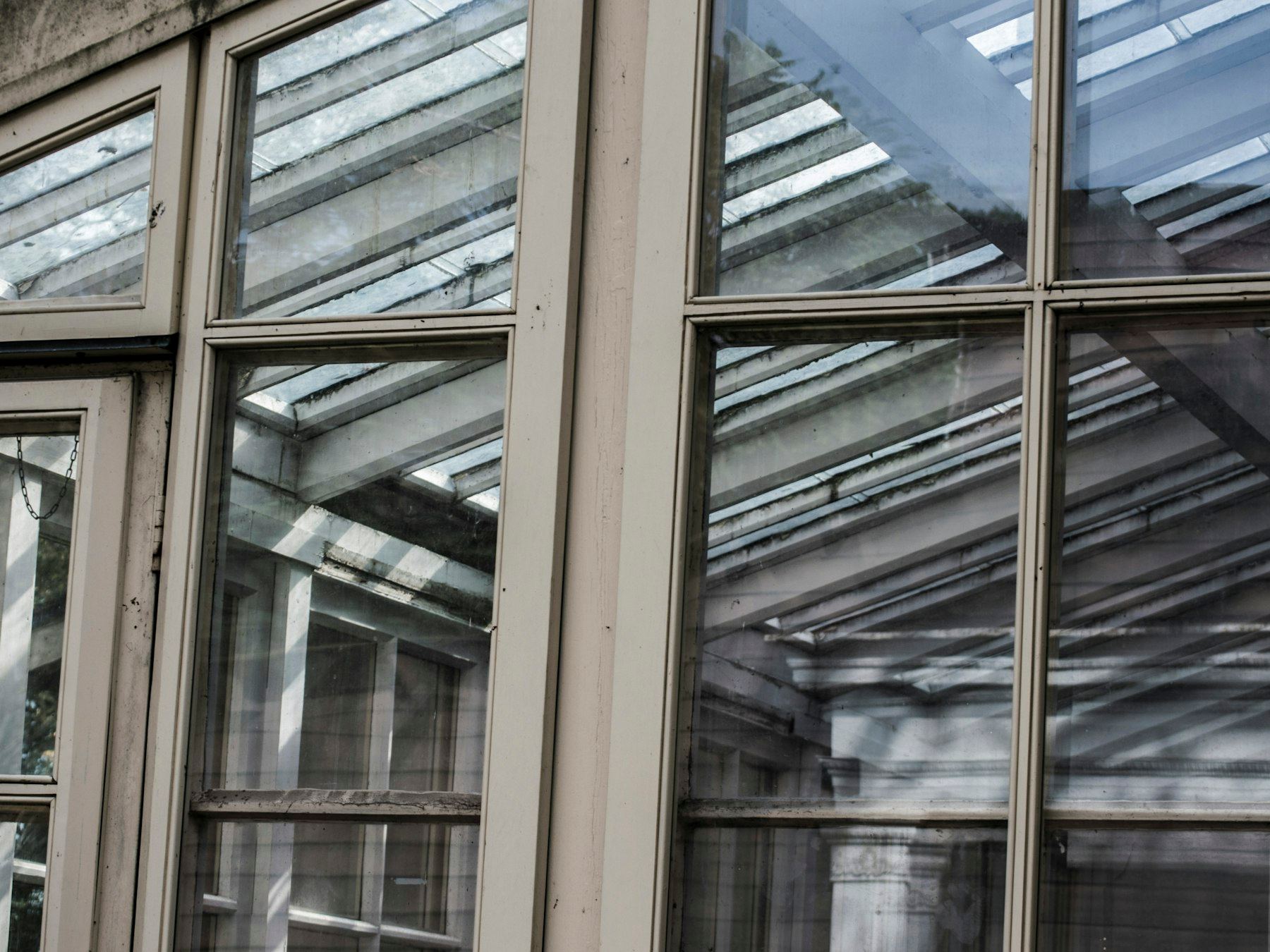
Cloudy patches between glass layers
A permanent fog sits inside the glazing unit. Wiping the outside does nothing. The seal around the glass has likely failed.
- 3
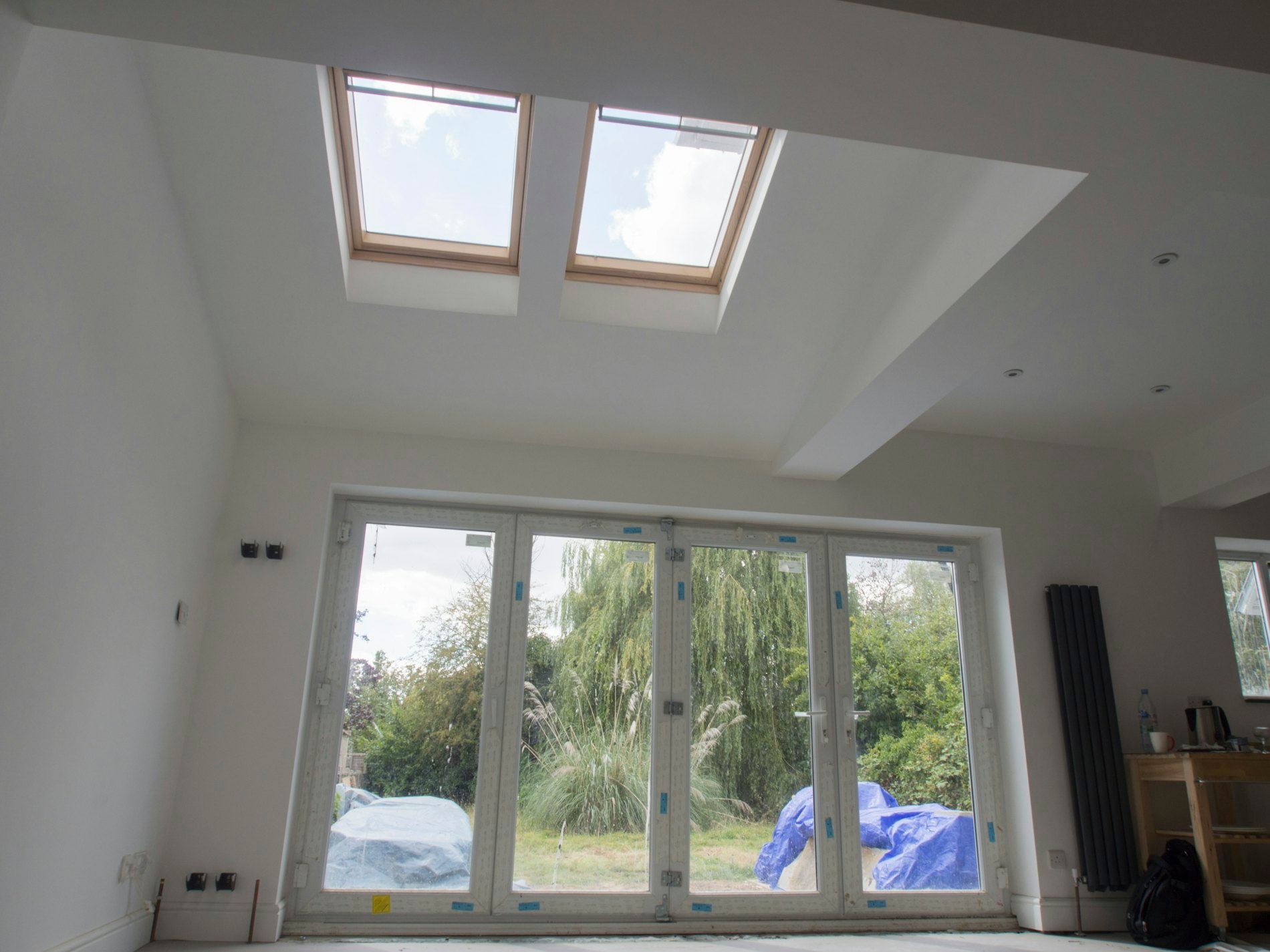
Loud drumming during showers
Rain hits the roof with a sharp, echoing noise that makes conversation difficult. Thin panels vibrate rather than absorb the impact.
- 4
Staining on the top of frames
Dark marks or peeling paint along the upper frame edges indicate water has been sitting there repeatedly, even if no drip is visible now.
- 5
Musty smell after rain
A damp odour lingers once the shower stops. Trapped moisture in the roof void or soaked plasterboard releases this scent as it warms.
Questions about damp and noisy roofs
Why is water dripping from my conservatory roof panels?
Warm indoor air hits the cold panel surface and turns to liquid. Poor ventilation keeps humid air trapped against the glass or polycarbonate, so droplets form and fall.
Can misted roof units be repaired or replaced?
The sealed unit itself cannot be repaired. A specialist can swap individual failed panes if the frames are sound, but widespread seal failure usually means a full roof replacement is cheaper long term.
How do I stop the rain drumming so loudly?
Adding mass stops the vibration. A solid tiled roof with insulation and plasterboard absorbs sound far better than polycarbonate or glass. Secondary glazing helps slightly but cannot eliminate the noise.
Will a warm roof get rid of condensation or hide it?
A properly built warm roof raises the internal ceiling temperature above the dew point, stopping surface condensation. It must include a vapour control layer, or moisture simply moves into the roof structure instead.
Do I need extra ventilation once insulated?
Yes. Building regulations require background ventilation in occupied rooms. A specialist calculates the free area needed and fits trickle vents or background ventilators to maintain air quality without creating draughts.
Is the damp coming from the roof or elsewhere?
Not always the roof. Leaking gutters, failed pointing or rising damp can produce identical stains. A specialist traces the moisture path before recommending work so the real cause gets addressed.
What does a specialist check before rebuilding?
They assess frame strength for the extra weight, inspect fascia and guttering condition, verify ventilation routes and specify vapour barrier placement. Nothing gets removed until the structure is confirmed suitable.
Could condensation have damaged frames or plaster?
Prolonged moisture rots timber frames, corrodes metal fixings and blisters plaster on adjoining walls. Damage often extends beyond what is immediately visible, so a specialist checks surrounding finishes during the survey.
Tell us what you are noticing
Send details of the dripping, misting or noise. A specialist firm will review the information and arrange a survey if the roof needs closer inspection. There is no obligation to proceed.
- No obligation to proceed
- Specialist handles the survey
- Free initial assessment